

Flooring Expert Mike Miller of Parkersburg, WV Explains Why Homeowners Shouldn’t Ignore Subfloor Issues for HelloNation
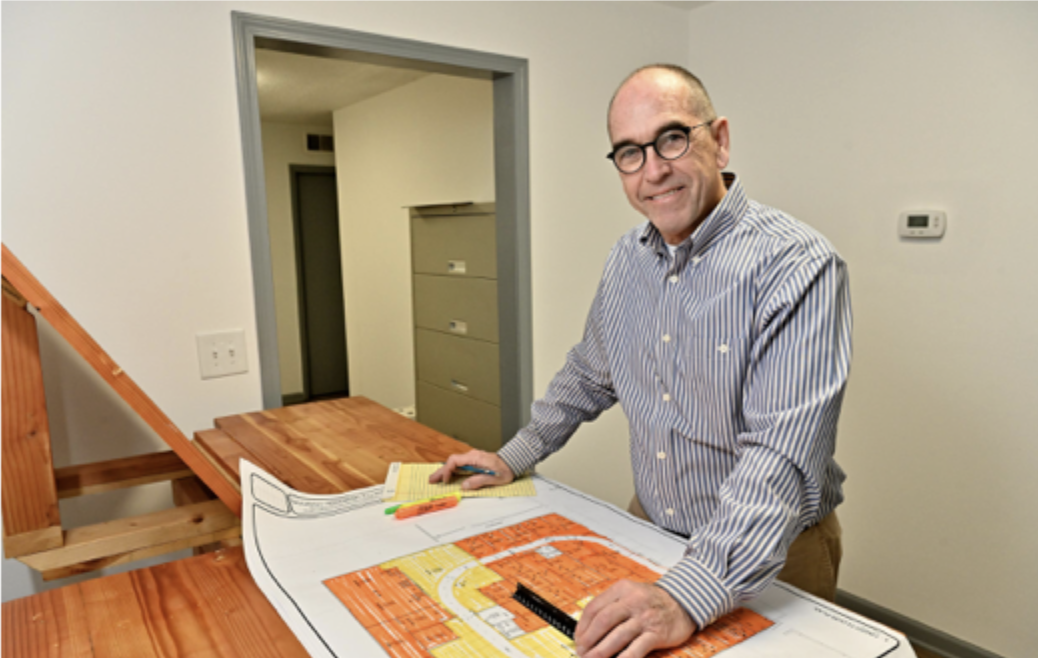
Mike Miller
What happens if a homeowner invests in new hardwood flooring but skips checking the layer beneath?
Your floor is only as good as the subfloor beneath it.”
PARKERSBURG, WV, UNITED STATES, January 7, 2026 /EINPresswire.com/ -- What happens if a homeowner invests in new hardwood flooring but fails to check the layer beneath? A HelloNation article addresses this question, noting that the subfloor is the hidden foundation of every flooring project. Flooring Expert Mike Miller of Honest Fred's Flooring in Parkesburg, WV, emphasizes that ignoring this critical layer can lead to serious and costly problems later.— Mike Miller
The article explains that the subfloor is the sheet material, usually plywood or oriented strand board, installed over joists to support the finished surface. When this base is sound, all flooring materials perform as intended. When it is weak or damaged, issues appear in hardwood flooring, ceramic tile, and other surfaces. The lesson is clear: the subfloor condition depends on the flooring type to be installed, and it must be evaluated before any new product is installed.
Noise is often the first signal of subfloor problems. According to the HelloNation feature, squeaks develop when panels separate from joists or when nails loosen over time. A spongy feel beneath foot traffic often means moisture damage has reached the wood. Loose tiles or cracked grout lines in ceramic tile floors usually result from shifting or weakened subfloor layers. These are visible signs that removal and replacement may be required before moving forward with a new installation.
Moisture damage is another frequent culprit. Kitchens, bathrooms, and basements are areas where water seeps through seams, undermining flooring stability. The article emphasizes that experienced professionals consistently use a moisture meter to verify the moisture content before commencing any job. If the subfloor is not dry and solid, even the most beautiful wood flooring or water-damaged finish floor will fail. Installers often recommend waiting at least 24 hours after testing to confirm conditions are safe for new flooring.
Unevenness in the base is also a problem that must be addressed. Slopes, dips, or ridges may not appear severe at first glance, but rigid flooring such as hardwood or ceramic tile highlights even minor imperfections. The article notes that surface pre-leveling compound is often applied to correct these issues. Without it, gaps, loose tiles, or separations are almost certain to appear. Ensuring a level and even subfloor is one of the most crucial steps before installing new materials.
Age can weaken subfloors as well. Homes built before modern standards may have thinner layers that no longer support today’s flooring materials. In such cases, long-term existing flooring removal and replacement of sections or the entire subfloor may be the only option. Though this adds work, the result is a stronger, longer-lasting foundation that reduces the need for future repairs.
Budgeting for a flooring project should always include the cost of the hidden foundation. Many homeowners plan for visible flooring materials but overlook that the performance of hardwood or ceramic tile depends on the subfloor. The HelloNation article makes it clear that skipping subfloor preparation can lead to frustration, extra costs, and possibly full removal and replacement after the fact. Addressing the foundation first ensures an investment that lasts.
For those considering a project over a concrete slab, the same principles apply. Moisture damage can still occur, and installers rely on moisture meters to verify that moisture content is within safe limits. Some flooring materials require additional steps, such as vapor barriers or leveling compounds, to prepare the surface. Professionals often wait 24 hours after testing before installing flooring to confirm the slab is ready.
Preparation takes time, but it pays off in stability and peace of mind. The HelloNation feature notes that professionals devote as much attention to inspection and repairs as to the installation itself. This may include applying surface pre-leveling compound, re-securing panels with screws, or cutting out and replacing damaged sections. By doing this prior to installing new hardwood flooring or ceramic tile, professionals ensure the work stands up to years of use.
In conclusion, the article underscores that a floor is only as reliable as the subfloor beneath it. Whether the project involves hardwood, wood, ceramic tile, or carpet, the hidden layer must be solid, level, and dry. Flooring Expert Mike Miller of Honest Fred's Flooring in Parkesburg, WV, reminds homeowners that long-term success depends on preparation. The full HelloNation feature, Don’t Ignore Subfloor Issues in Your Home, explains in detail why proper removal and replacement, moisture checks, and surface preparation make all the difference.
About HelloNation
HelloNation is a premier media platform that connects readers with trusted professionals and businesses across various industries. Through its innovative “edvertising” approach that blends educational content and storytelling, HelloNation delivers expert-driven articles that inform, inspire, and empower. Covering topics from home improvement and health to business strategy and lifestyle, HelloNation highlights leaders making a meaningful impact in their communities.
Blair Elizabeth
HelloNation
info@hellonation.com
Legal Disclaimer:
EIN Presswire provides this news content "as is" without warranty of any kind. We do not accept any responsibility or liability for the accuracy, content, images, videos, licenses, completeness, legality, or reliability of the information contained in this article. If you have any complaints or copyright issues related to this article, kindly contact the author above.
