

Orthopedic Prosthetic Device Market to hit USD$ 7.5 billion by 2032: Trends & Growth Drivers, Growth Opportunities
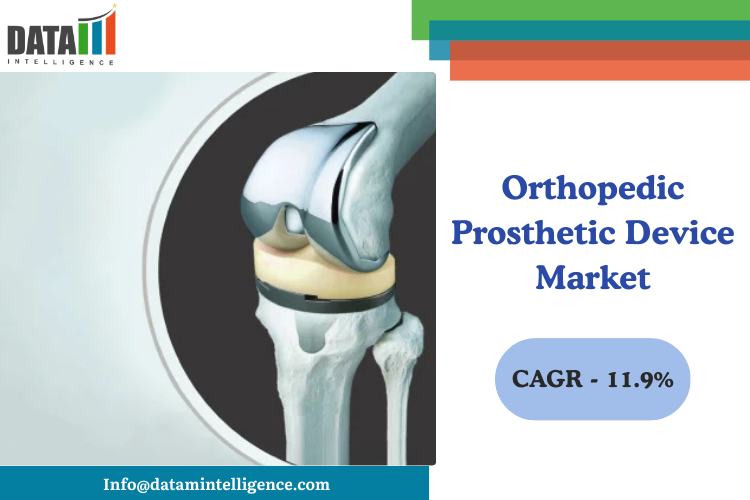
Orthopedic Prosthetic Device Market
Orthopedic Prosthetic Device Market Analysis, Regional Outlook & Key Players 2024-2032 | Industry Report
United States Orthopedic Prosthetic Device Market Analysis by Type, Material & Technology with Regional Forecast 2024-2032”
AUSTIN, TX, UNITED STATES, December 18, 2025 /EINPresswire.com/ -- Market Size and Growth— DataM Intelligence 4Market Research LLP
According to DataM Intelligence, the Orthopedic Prosthetic Device Market is poised to grow from USD$ 3.9 billion in 2024 to USD$ 7.5 billion by 2032, registering a robust CAGR of 11.9% during 2025–2032. This growth is driven by increasing incidences of orthopedic disorders, rising geriatric population, advancements in prosthetic technologies, and growing awareness about mobility-improving devices.
The rising prevalence of osteoarthritis, trauma-related limb loss, and congenital disabilities worldwide has accelerated the demand for advanced prosthetic solutions. Technological innovations such as 3D printing, lightweight materials, and sensor-integrated prosthetics are enhancing functionality and user comfort, thereby broadening market adoption.
Get a Sample PDF Of This Report (Get Higher Priority for Corporate Email ID):– https://www.datamintelligence.com/download-sample/orthopedic-prosthetics-market
Growth Drivers
1. Over 1 million limb amputations are performed globally each year, fueling consistent demand for prosthetic devices.
2. Aging populations in developed and developing countries are increasing the incidence of joint disorders, driving orthopedic prosthetic replacements.
3. Innovations in microprocessor-controlled prosthetic limbs and AI-enabled adaptive devices are improving mobility and patient outcomes.
4. Government initiatives and healthcare reimbursements for prosthetic devices are improving affordability and access.
5. Increasing sports-related injuries and road accidents contribute significantly to prosthetic device demand worldwide.
Market Segmentation Analysis
By Product Type
Lower Limb Prosthetics hold the largest market share (~65%) due to the high incidence of leg amputations caused by diabetes, vascular diseases, and trauma.
Upper Limb Prosthetics account for approximately 35%, driven by the need for functional restoration and dexterity in upper limb amputees.
By Material
Carbon Fiber prosthetics dominate with a 55% market share, valued for durability, lightweight, and enhanced performance.
Plastic and Polymer-based prosthetics hold 30%, favored for affordability and customization.
Metal-based prosthetics account for 15%, used primarily in load-bearing applications requiring high strength.
By Technology
Conventional Prosthetics comprise about 40% of the market, including basic mechanical devices.
Advanced Prosthetics (microprocessor-controlled, bionic limbs) are growing rapidly at over 15% CAGR, representing 60% of market value by 2032.
By End User
Hospitals and Clinics represent 60% of sales, as the primary providers of prosthetic fitting and rehabilitation services.
Rehabilitation Centers and Home Care Providers account for the remaining 40%, with rising home-based care demand.
Request for Customized Sample Report as per Your Business Requirement:- https://www.datamintelligence.com/customize/orthopedic-prosthetics-market
Regional Insights
North America
The North American orthopedic prosthetic device market was valued at USD 1.5 billion in 2024 and is expected to reach USD$ 3.9 billion by 2032, growing at a CAGR of 13.5%. The market is driven by a large aging population, well-established healthcare infrastructure, and active government support for prosthetics coverage through Medicare and private insurers.
Europe
Europe holds a significant share, with a market size of USD 900 million in 2024, forecast to reach USD 2.5 billion by 2032. Key factors include increasing cases of arthritis, high adoption of advanced prosthetics, and government initiatives supporting disability care.
Asia-Pacific
The Asia-Pacific region is the fastest-growing market with a CAGR of 14.8%, driven by rising healthcare awareness, growing medical tourism, and increasing government investments in rehabilitation services in countries such as China, India, Japan, and Australia.
Rest of the World
Emerging economies in Latin America, Middle East, and Africa are witnessing gradual market growth owing to rising healthcare access, increased trauma cases, and NGO initiatives for disabled populations.
Key Players
The orthopedic prosthetic device market is moderately fragmented, featuring established global medical device manufacturers and innovative startups focused on next-gen prosthetics.
1. Össur
2. Ottobock Healthcare GmbH
3. Hanger, Inc.
4. Fillauer Companies, Inc.
5. Blatchford Group
6. WillowWood Global LLC
7. Proteor
8. Steeper Group
9. BionX Medical Technologies
10. Zimmer Biomet Inc
11. B Braun SE
12. Esper Bionics
13. Smith & Nephew
14. Steeper Group
15. Mobius Bionics
Key Highlights
. Össur leads with a focus on smart bionic prosthetics featuring AI-driven control systems.
. Ottobock continues to innovate with microprocessor-controlled knees and feet that offer adaptive gait.
. Hanger, Inc. is expanding its rehabilitation services and direct-to-consumer prosthetics business.
. Fillauer Companies is advancing in customized prosthetic sockets via 3D scanning and printing.
. Startups are developing sensor-integrated, lightweight devices for enhanced proprioception.
Recent Developments
1. Össur launched the "Rheo Knee 3" microprocessor knee with AI-powered adaptive gait functionality
2. Ottobock acquired a 3D printing company to accelerate customized socket production
3. Hanger, Inc. partnered with rehabilitation hospitals to expand patient-centric prosthetic care programs
4. Proteor introduced a carbon fiber prosthetic foot aimed at active sports users
5. Blatchford Group collaborated with a robotics firm to develop next-gen powered ankle prosthetics
Buy This Report with Year-End Offer (Buy 1 report: Get 30% OFF | Buy 2 reports: Get 50% OFF each! Limited time offer):- https://www.datamintelligence.com/buy-now-page?report=orthopedic-prosthetics-market
Market Outlook and Opportunities
The orthopedic prosthetic device market is on a steady growth trajectory, driven by continuous technological innovation and demographic trends.
Key Forecast Indicators
1. The advanced prosthetics segment expected to exceed USD 5.5 billion by 2032, capturing 60% market share.
2. Increasing integration of AI and IoT in prosthetics to unlock new functionalities and patient benefits.
3. Growing adoption of personalized prosthetics through 3D printing and digital fitting technologies.
4. Emerging markets in Asia-Pacific and Latin America to offer lucrative growth opportunities.
5. Expanding collaborations between healthcare providers, tech firms, and insurance companies to improve accessibility and affordability.
Conclusion
The global orthopedic prosthetic device market is evolving rapidly, transforming mobility solutions for millions of amputees and patients with limb disabilities, this market reflects a combination of demographic necessity and cutting-edge technology adoption.
With leading players like Össur, Ottobock, and Hanger driving innovation in smart, adaptive, and personalized prosthetics, the sector is set to revolutionize patient care and quality of life worldwide. Regional growth in North America, Europe, and especially Asia-Pacific will sustain demand, supported by governmental programs and rising healthcare investments.
Related Report
Orthopedic Regenerative Surgical Products Market
Orthopaedic Implants Market
Sai Kiran
DataM Intelligence 4market Research LLP
+1 877-441-4866
sai.k@datamintelligence.com
Visit us on social media:
LinkedIn
YouTube
X
Legal Disclaimer:
EIN Presswire provides this news content "as is" without warranty of any kind. We do not accept any responsibility or liability for the accuracy, content, images, videos, licenses, completeness, legality, or reliability of the information contained in this article. If you have any complaints or copyright issues related to this article, kindly contact the author above.
